Door & window repair, statewide
Sliding Patio Door Repair
Wide openings, heavy panels and New England weather on the other side
Two-panel, three-panel and stacking patio doors. The wider the opening, the more load sits on the rollers and the more obvious every millimetre of drop becomes. We repair the whole assembly rather than the one panel that sticks.
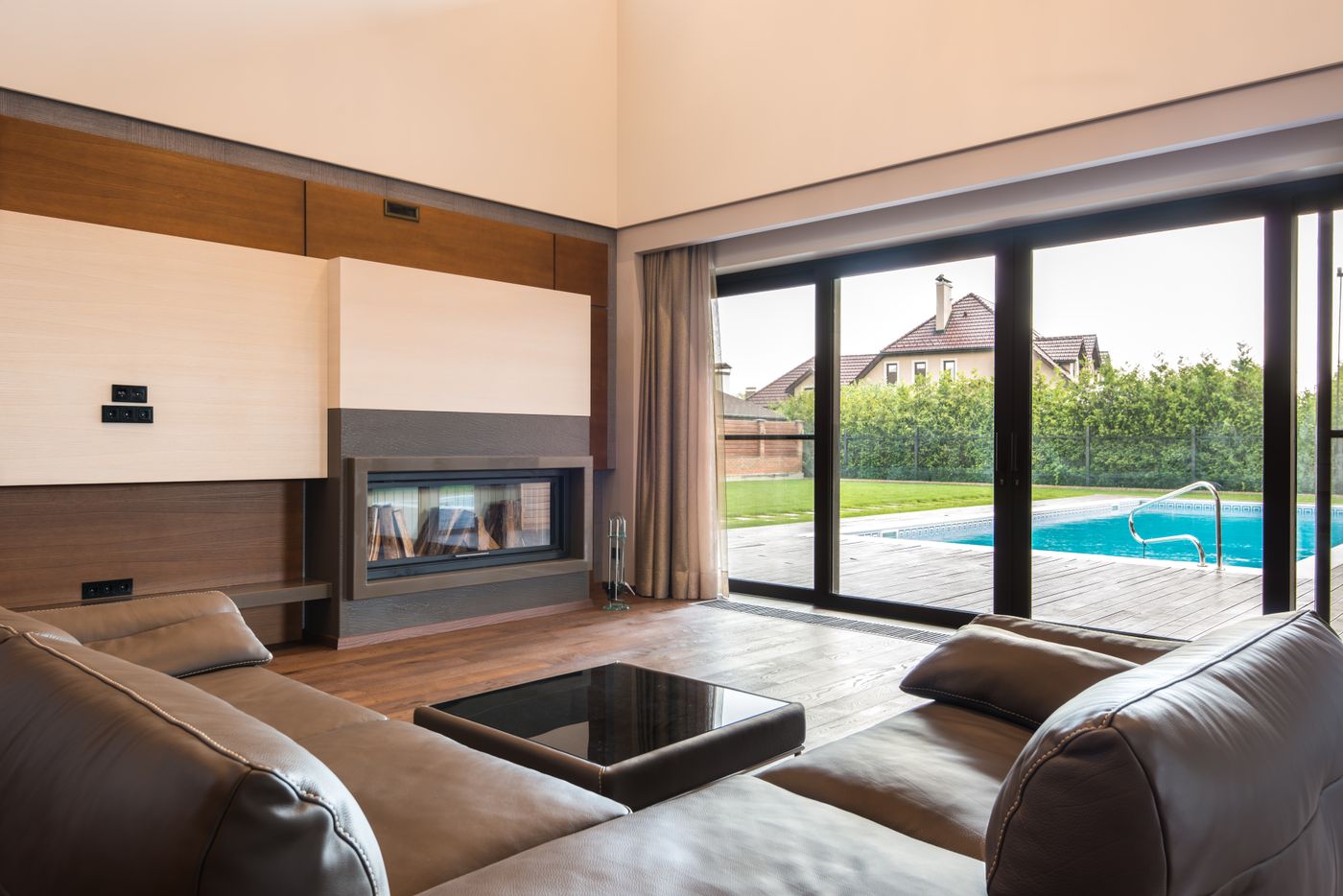
A wide patio door fails as a system, not as a part
When a large patio door goes wrong it rarely presents as one fault. A panel drops slightly, so it drags; dragging wears the rail; a worn rail throws the interlock out of line; the interlock no longer seats, so the door leaks heat and will not lock properly. By the time anyone calls, there are several things to put right.
That is normal and it is fixable, but it means these doors have to be diagnosed as an assembly. Fitting new rollers to a multi-panel door without checking interlocks, sill drainage and panel height gets you a door that drags again by next spring.
Drainage matters more in Connecticut than most places. A patio sill is designed to shed rain and meltwater, and when those channels silt up or ice over, water sits in the track all winter.
On a wide opening, a few millimetres of drop shows up as a door you have to fight.
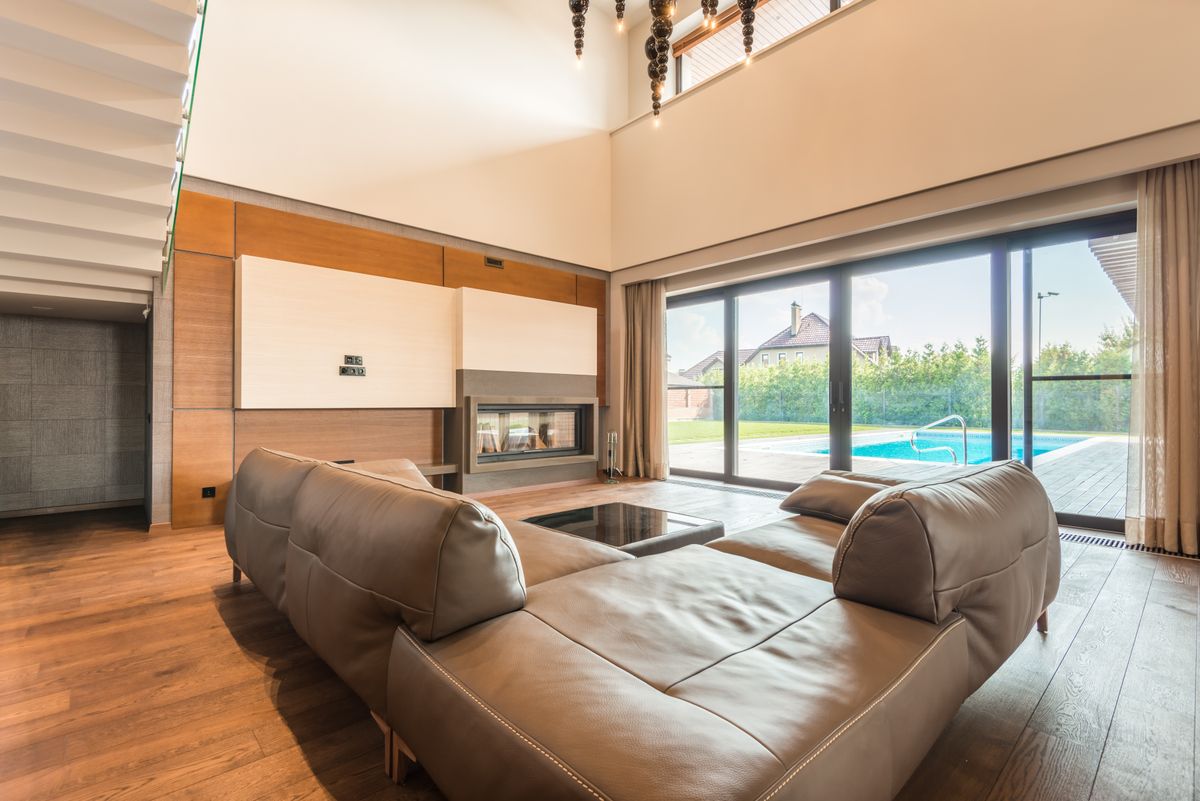
Every patio slider configuration
From builder-grade two-panel units in 1980s colonials to wide multi-slide systems on recent additions.
Wide and heavy systems need load-rated hardware rather than whatever the door originally shipped with, which is frequently why a second repair lasts longer than the first.
Patio door work we take on
Two-panel, three-panel, four-panel, stacking and pocket systems.
Multi-panel and stacking doors
Panels realigned so they stack squarely and the interlocks seat along the full height of the door.
Heavy-duty roller assemblies
Tandem and load-rated rollers matched to the weight a large patio panel actually carries.
Sill, track and drainage
Worn sills repaired or capped, and blocked weep channels cleared so rain and meltwater drain out instead of freezing in the track.
Patio door locks
Locks that will not throw, keepers out of line, and security upgrades on the largest opening in the house.
Interlocks and weatherseals
The seals at the meeting stiles and jambs, which is where a patio door loses heat and lets rain in first.
Panel glass
Cracked and fogged panels reglazed in tempered safety glass, in your existing frames.
What Connecticut asks of a patio door
Coastal storms, snow load and old houses that have settled.
Nor'easters drive rain sideways
A patio door is tested hardest not by rainfall but by wind-driven rain hitting it horizontally. Once interlock gaskets harden and the sill drainage silts up, that water finds its way inside rather than back out.
Snow and meltwater at the sill
Snow piles against a patio threshold, melts in afternoon sun and refreezes overnight. If the weep channels are blocked, that water sits in the track and freezes solid, distorting rails and jamming panels.
Settled openings in older housing
Connecticut has some of the oldest housing stock in the country, and additions get built onto houses that have been moving for decades. A wide opening reveals that movement long before a single door would.
Why these doors need a specialist
Large sliding systems are fine adjustment work, not brute force.
We treat it as a system
Rollers, rail, interlocks, drainage and panel height checked together, because fixing one in isolation rarely lasts.
Load-rated hardware
Components chosen for the actual weight of your panels, which is often more than the originals were specified for.
Repair over replacement
A multi-panel patio door is an expensive thing to replace and usually an unnecessary one.
Firm, written pricing
The number comes before the work, and it holds.
Three steps, no runaround
Tell us about the opening
How many panels, roughly how wide, and what it is doing. Photos of the full door help here.
We survey it properly
Panel height, interlocks, rollers, rail and drainage, then a firm quote.
We put it right
Most work completed on site. Glass and custom parts follow once made.
We are a mobile service covering the whole state. Pick your city below, or call and we will come to you.
Sliding Patio Door Repair Across Connecticut
Patio door questions
My three-panel door only drags at one end. Why?
A panel has dropped slightly or the rail is worn along part of its run. On multi-panel doors the fault is often in a different panel to the one that feels wrong, which is why the whole assembly needs checking.
Water gets in at the bottom of my patio door in heavy rain.
Usually blocked weep channels rather than a failed door. The sill is designed to drain water back outside, and when it cannot, wind-driven rain backs up into the room.
Cold air pours in along the middle of the door.
That is the interlock and its gaskets. They go hard over time, and once the panels are also slightly out of line the gap is enough to feel across the room.
The panels no longer meet properly.
The interlock has fallen out of alignment, usually because one panel dropped on worn rollers. Resetting panel height brings them back together.
Are wide sliding doors secure?
They can be made so. Anti-lift hardware, auxiliary locks and correctly seated interlocks make a substantial difference on a large opening.
Other repairs we handle
Doors and windows are all we do, so whatever has failed, it is probably on this list.
Get the patio door working properly
Free estimates on patio doors of any size, anywhere in Connecticut.
(203) 902-3899